Norway commits NOK 1 billion to schooling for children caught up in war and crises
Multi-year agreements with Education Cannot Wait and UNICEF, announced on Wednesday, direct NOK 600 million and NOK 400 million to education for children and young people whose schooling has been broken by conflict, flight and disaster.
OSLO: Norway will put NOK 1 billion into education for children and young people living through war, displacement and disasters, under multi-year agreements with Education Cannot Wait (ECW) and UNICEF announced by the Ministry of Foreign Affairs on Wednesday, Nov. 4. The ministry put the number of children out of school because of war and crises at 93 million.
The larger share goes to ECW, the global fund for education in emergencies. Norway will provide it with NOK 600 million over the four years from 2027 to 2030, which is NOK 100 million more than in the previous agreement period. UNICEF will receive NOK 400 million over 2026 to 2028, broadly the same level of support as before, paid into its education fund and aimed at the most vulnerable children, the ministry said.
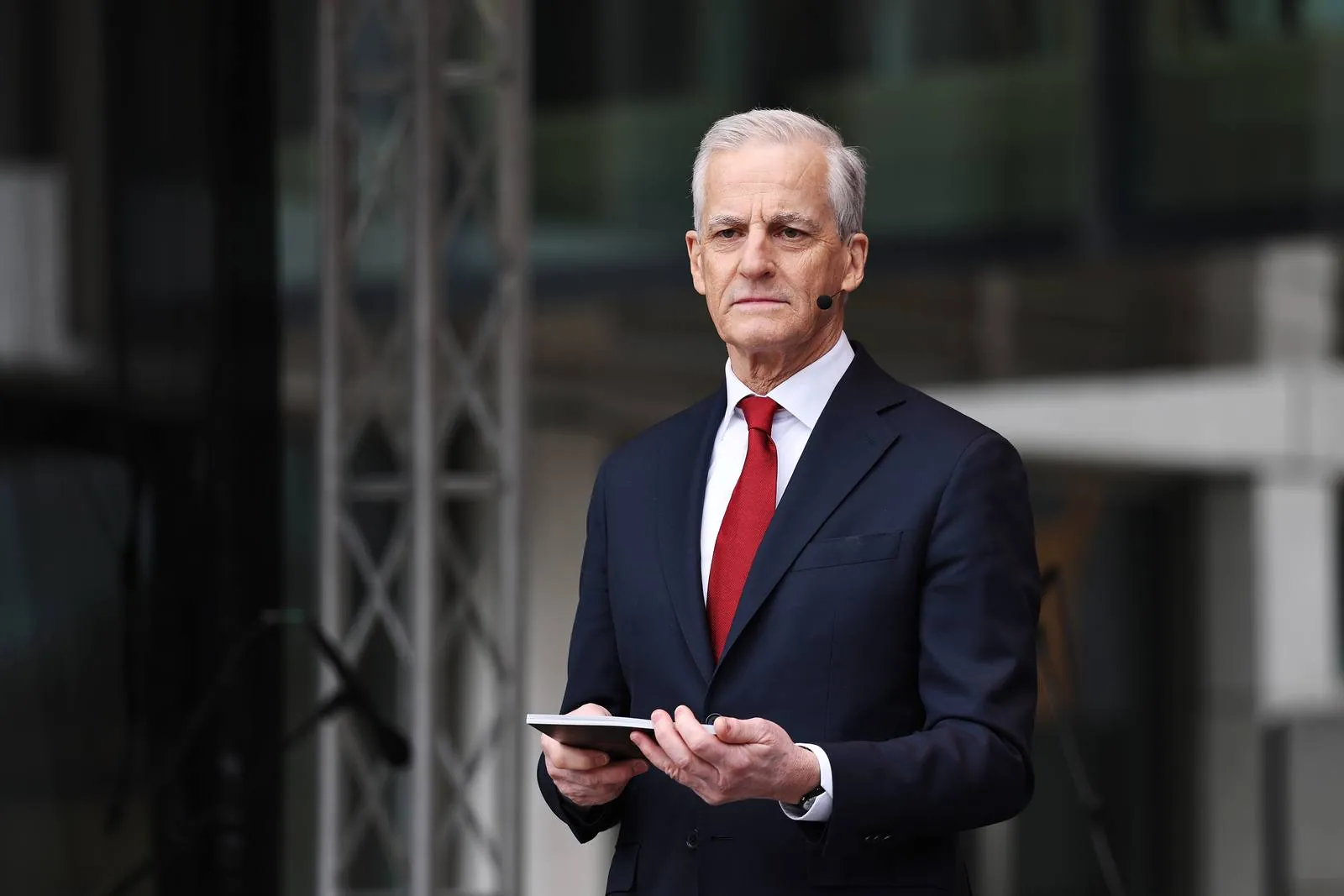
"The right to education becomes even more important for children living through war and crises," said Minister of International Development Åsmund Aukrust. In the ministry's account, a school day gives children in a crisis a measure of safety and a measure of ordinary life at the same time, and the minister warned of the long tail of missed schooling: "When children miss out on education because of war or displacement, the consequences can last long after the crisis itself is over."
Two partners, two kinds of work
The ministry presents the pairing as deliberate. ECW raises and coordinates money for schooling in conflicts and crises, while the UNICEF share is split between education work in emergencies and the slower task of strengthening national education systems. Mr Aukrust said Norway works with partners whose efforts complement each other, covering both rapid help when a crisis hits and the long-term support that lets countries run quality education themselves.
ECW set out its own ambitions for the same four years in a case for investment published in August. It puts the funding needed at a minimum of USD 600 million and the potential reach at 10 million or more children in crisis settings, half of them girls and a tenth of them children with disabilities, alongside stronger locally led responses. ECW counts 74 million children out of school entirely in just 20 of the most severe crisis contexts. Norway's ECW agreement runs for exactly the plan's period, 2027 to 2030.
The announcement is a follow-up to Vendepunkt, which names education amid crisis and conflict as a priority. It also sits on top of an established aid record: Norad, the Norwegian development agency, records NOK 2.7 billion of Norwegian education aid in 2024, with ECW and UNICEF among the central partners, and ECW support reaching about 8.3 million children and young people in 33 conflict-affected countries across 2023 and 2024. In South Sudan, Norwegian money has helped pay for temporary learning spaces, teachers and school materials in refugee camps through the same two partners.
The ministry singled out girls and children with disabilities as among the most exposed when schooling collapses, noting that learning environments in a crisis can also connect children to psychosocial support and protect them against violence, exploitation and recruitment by armed groups.
None to date. The Tribune corrects errors promptly and transparently. Read our corrections policy.