Supreme Court declares three North Sea oilfield approvals invalid over unassessed combustion emissions
Norway's Supreme Court ruled on Friday, Nov. 13, that the approvals of the plans for development and operation for Breidablikk, Tyrving and the Yggdrasil area were invalid, because the impact assessments behind them never covered the emissions from burning the oil and gas the fields will produce.
OSLO: The Supreme Court has declared the state's approvals of three North Sea petroleum developments invalid, in a judgment that sets the terms on which every future development plan on the Norwegian continental shelf will be assessed.
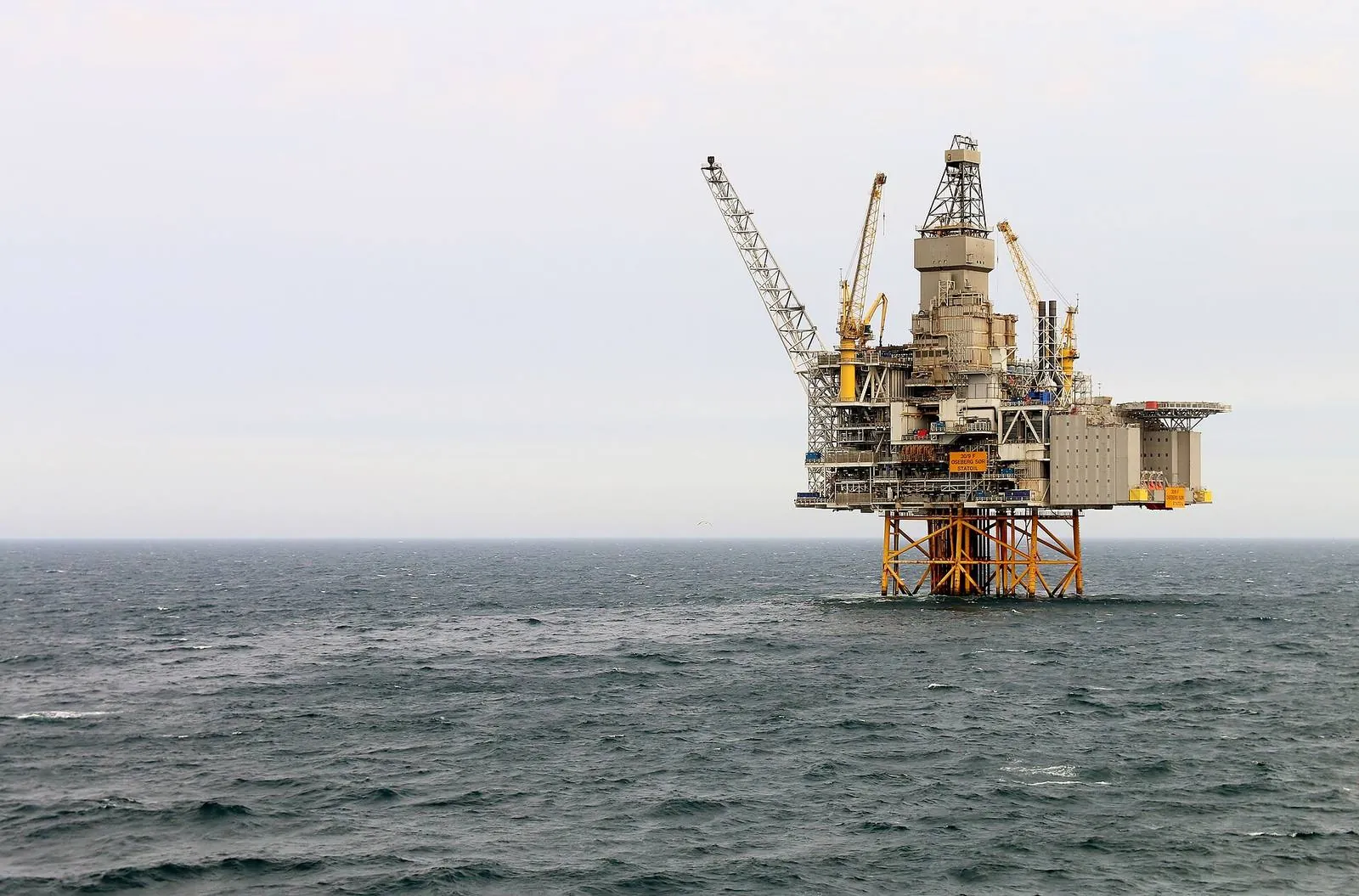
The judgment, HR-2026-2428-S, was delivered on Friday, Nov. 13, 2026, by the Supreme Court sitting in grand chamber. It concerns the decisions approving the plans for development and operation, known as PDOs, for the Breidablikk and Tyrving fields and for the Yggdrasil area, which consists of three fields. All of them lie in the North Sea.
The case was brought by the environmental organisations Greenpeace Nordic and Nature and Youth against the state, represented by the Ministry of Energy. The organisations argued that the approvals were invalid for procedural error, because the impact assessments prepared before the decisions covered emissions from building and operating the fields, but not the emissions that arise when the oil and gas taken from them is later burned.
Combustion emissions must be assessed, the court held unanimously
On the central legal question the eleven judges were unanimous. It follows, they held, from the European Union project directive as implemented in Norwegian law that the combustion emissions a petroleum extraction will cause must be covered by an impact assessment before a PDO can be approved, and that the assessment must also describe and evaluate the expected climate effect of those emissions, measured as their effect on global warming. The court recorded that this reading is in line with an advisory opinion the EFTA Court gave in the case.
The court was also unanimous on two limits to that duty. An assessment need not cover the concrete consequences of whatever temperature increase the emissions are expected to cause. And while the authorities must consider whether the planned activity fits with national and international obligations to take effective measures against the harmful effects of climate change, the law does not require the emissions in question to be measured against remaining carbon budgets, as the environmental organisations had argued.
The six to five split: emissions must be seen together, not field by field
The judges divided six to five on how far the assessment must reach. The majority held that the directive requires the assessment to cover both the combustion emissions from the project in front of the authorities and the combined emissions from other existing and approved projects on the Norwegian continental shelf, since Norwegian authorities have already permitted a series of other extraction projects that lead to emissions. The five judges in the minority considered that assessing a project's own combustion emissions, and their contribution to warming, was enough to meet the obligation.
That division decided the outcome. The same six judge majority found the impact assessments, and the authorities' own evaluations, deficient. Later official decisions not to reverse the approvals had included assessments of combustion emissions, but the combined emissions from existing and approved extraction on the shelf had not been taken into account. The approvals were therefore declared invalid on the ground of procedural error. The minority, which rejected any duty to view the projects' emissions alongside those of other approved projects, would have found that the later decisions had repaired the defects in the original approvals.
Three courts, three rulings against the state
Friday's judgment is the third ruling against the state in the same dispute. Greenpeace Nordic and Nature and Youth brought the challenge in June 2023. In January 2024, Oslo District Court held the approvals invalid because the PDO impact assessments did not include combustion emissions. On Nov. 14, 2025, the Borgarting Court of Appeal upheld that result, concluding that new assessments the Government had prepared before the appeal had not remedied the deficiencies. The state then appealed to the Supreme Court, and in May 2026, before the hearing, the Government reconsidered the approvals and again decided not to reverse them.
What the judgment does not do
The court addressed the practical reach of its ruling directly. The licence holders, the oil companies, were not parties to the case before the Supreme Court. That the approvals have been declared invalid for procedural error in a case between the environmental organisations and the state therefore does not, the court said, mean that the permits simply fall away as against the licence holders. What follows instead is a duty on the Ministry of Energy to consider the matter again, on the basis of a correct procedure.
In its analysis of the judgment, published the same day, the law firm Schjodt records that this fresh consideration may end either in confirmation of the PDO approvals or in their alteration, and that the cumulative effects must be addressed in the operators' environmental impact reports and put out to public consultation. Schjodt also expects the Ministry of Energy to update its PDO guidelines so that future development plans are prepared in line with the requirements the Supreme Court has now set out.
The judgment closes by clarifying, in the court's own summary, the requirements that apply to the impact assessment of greenhouse gas emissions when plans for the development and operation of petroleum deposits are approved. Those requirements now govern the reconsideration of Breidablikk, Tyrving and Yggdrasil, and the preparation of every comparable application that follows them.
None to date. The Tribune corrects errors promptly and transparently. Read our corrections policy.